All-Star Cards — Insert Sets, Selection Spikes, and Collecting Strategy
From Topps All-Star Rookie designations to Pro Bowl insert cards, All-Star branded products and midseason selections create real collecting opportunities. Track them all on Mantel.
From the Community
Recent posts from All-Star Players collectors on Mantel


Join the All-Star Players Community
Share your collection, compare comps, browse live marketplace listings, track trends, and connect with collectors who care about the hobby and the market behind every card.
SLAM Scores & Marketplace
SLAM is a liquidity score from 0–100 that measures how easily a card can be bought or sold at a fair price. It combines recent sales data, trading volume, and market depth into a single number. Listings are aggregated from eBay and Fanatics Collect.
90–100 Cash
70–89 Liquid
40–69 Inventory
0–39 Collection
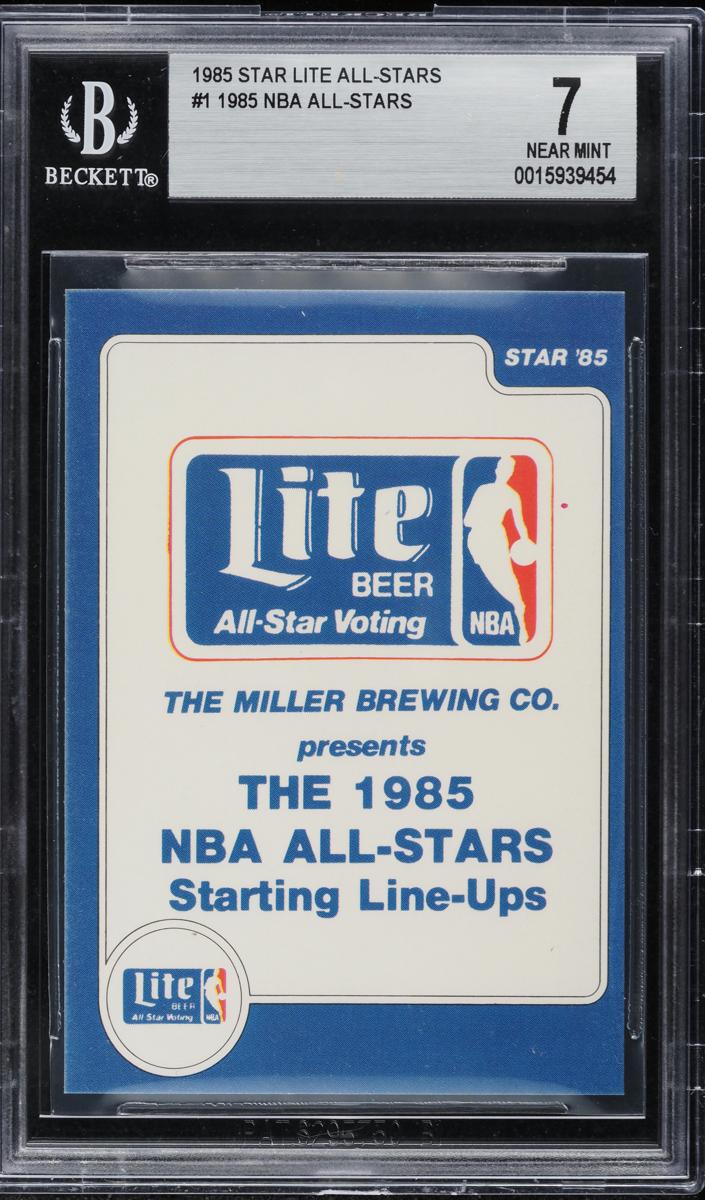
Collection
Buy it because you love it
1985 NBA All Stars - 1985 Star Basketball
Avg Sale
$364
Sales
0
Grade
PSA 8
View in app →
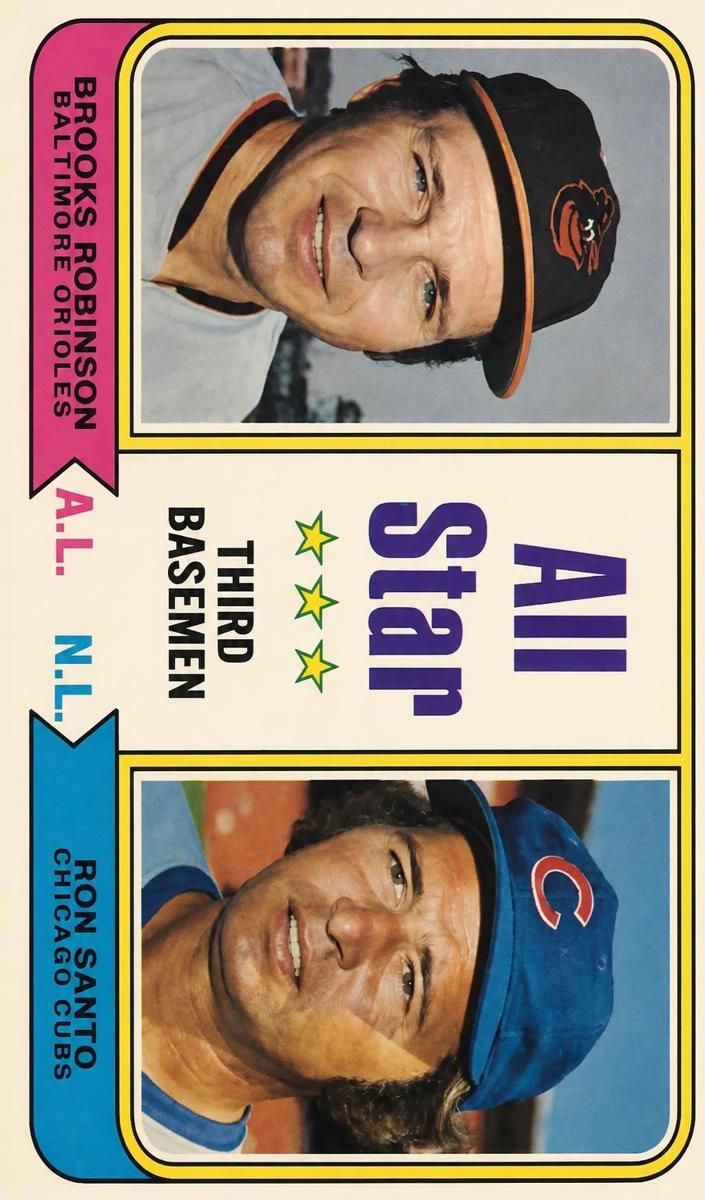
Collection
Buy it because you love it
All Star Third Basemen - 1974 O-Pee-Chee Baseball
Avg Sale
$17
Sales
0
Grade
Raw
View in app →
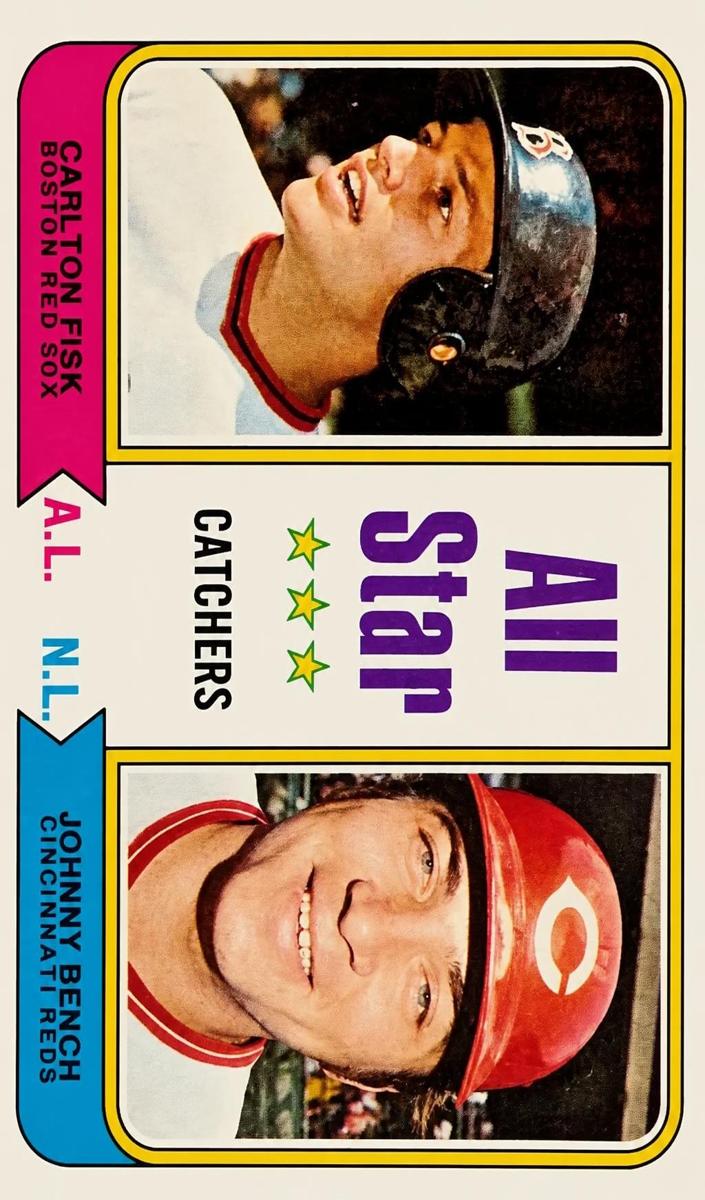
Collection
Buy it because you love it
All Star Catchers - 1974 O-Pee-Chee Baseball
Avg Sale
$70
Sales
0
Grade
Raw
View in app →
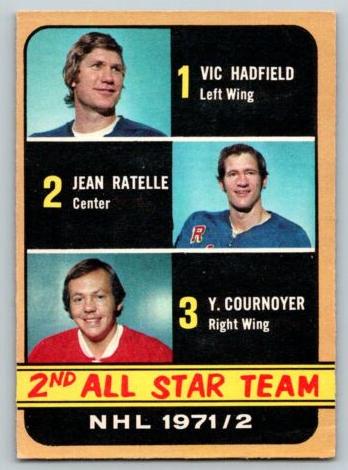
Collection
Buy it because you love it
2nd All Star Team - 1972 O-Pee-Chee Hockey
Avg Sale
$6
Sales
0
Grade
Raw
View in app →
Collection
Buy it because you love it
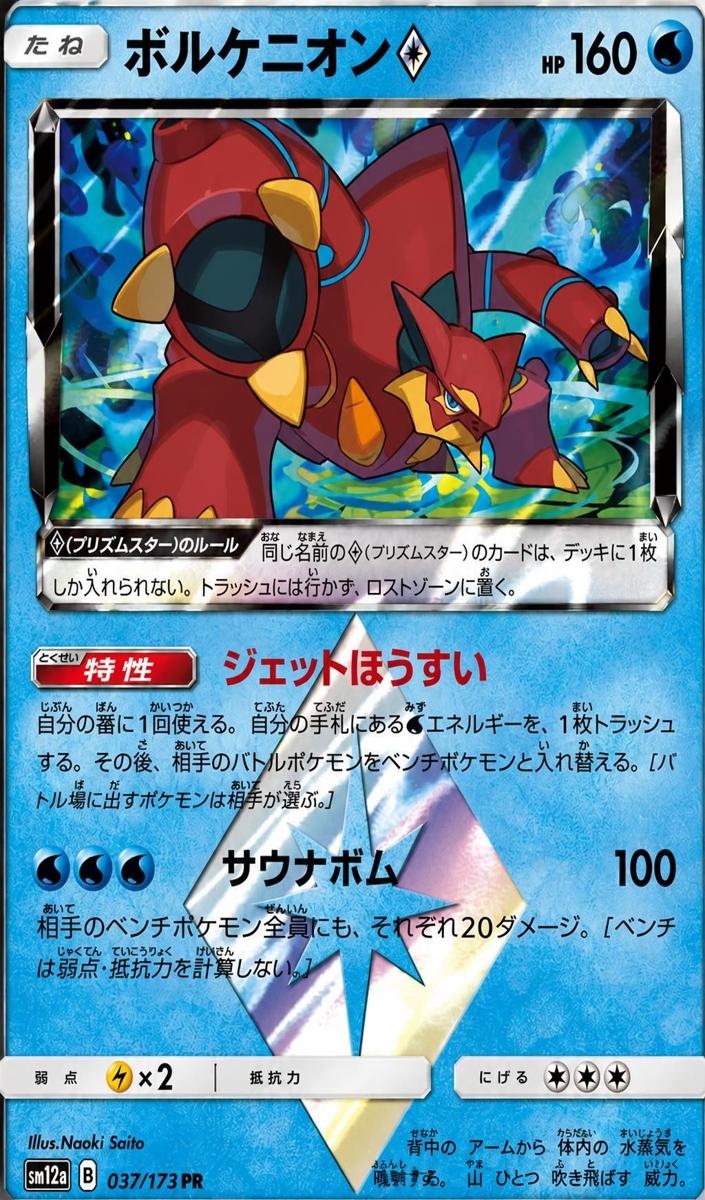
Volcanion Prism Star - 2019 Pokemon Japanese Sun & Moon Tag Team GX All Stars
Avg Sale
$8
Sales
0
Grade
PSA 9
View in app →
Collection
Buy it because you love it
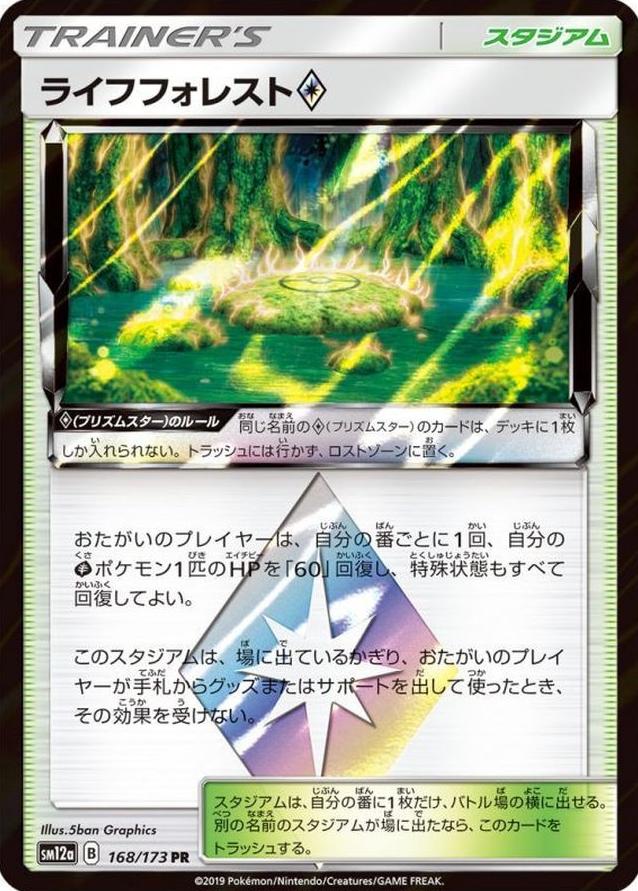
Life Forest Prism Star - 2019 Pokemon Japanese Sun & Moon Tag Team GX All Stars
Avg Sale
$99
Sales
0
Grade
PSA 10
View in app →
The All-Star Cards Worth Collecting
All-Star branded card products span every major sport and create some of the hobby's most recognizable inserts. In baseball, the Topps All-Star Rookie designation has appeared in flagship Topps sets for decades — these cards feature a trophy logo and mark a player's first major career milestone, making them long-term holds. Topps also produces All-Star Game commemorative sets with patch relics, autographs, and parallels tied to each year's Midsummer Classic. In football, Panini's Pro Bowl insert sets highlight the league's best players with distinct designs and numbered parallels. The NBA and NHL All-Star Games generate their own commemorative products, including jersey relic cards and All-Star Game-used memorabilia cards that tie a specific collectible to a specific event.
Beyond the branded products, All-Star selections also create demand for players' regular rookie cards and key parallels. The selection itself is the catalyst — the insert products are the long-term collectibles that commemorate it.
How Selections Move the Market
First-time All-Star selections produce the most dramatic price movement. When a player earns their first nod, collectors reclassify them from "solid starter" to "star," and rookie card prices reflect that shift immediately. The bump is typically 15-30% on flagship rookies for popular players, with autos and low-numbered parallels seeing even larger swings. Repeat selections reinforce value but move the needle less — the market already prices in star status after the first selection.
The selection-to-price pipeline moves fast. Voting results and roster announcements generate speculation weeks before the official reveal. Starters generally see a larger bump than reserves, and major-market players attract more collector demand. Injury replacements create surprise opportunities — a player who gets the call as a late addition still earns the All-Star career designation, and savvy collectors who anticipate the replacement can buy before the announcement.
Timing Your Buys Around All-Star Weekend
The collecting calendar offers multiple All-Star windows each year: the NFL Pro Bowl and related events in late January, the NBA All-Star Game in February, the NHL All-Star Game in February, and the MLB All-Star Game in July. Each window creates a concentrated period of demand for that sport's cards. The optimal buying window for most players is before the official roster announcement — once a player is widely expected to make the team, their cards begin to move, and the announcement itself accelerates the trend.
Selling into the game itself often captures the peak. All-Star Game MVP awards, Home Run Derby wins, and standout All-Star Weekend performances create a secondary catalyst on top of the selection. After the event passes, prices typically settle to a new baseline above the pre-selection level for first-timers, while the event-specific hype fades. Understanding this pattern — buy the expectation, hold through the event, reassess after — is the core of All-Star collecting strategy.
Find Every All-Star Card on Mantel
Mantel brings together the tools you need to collect around All-Star season across every sport. Real-time listings from eBay flow into one searchable feed, so you can find All-Star insert sets, rookie cards of newly selected players, and commemorative products without switching between platforms. SLAM scores measure actual sales velocity, price trends, and liquidity to help you see which All-Star selections are generating genuine buying activity versus inflated ask prices. Comps show what cards are actually selling for, not just what sellers are listing at, so you can measure the real dollar impact of a selection before committing. Set up Wish List alerts for All-Star candidates before rosters are announced and get notified when a specific card appears at a target price. And the Mantel community is where collectors connect, share pickups, and discuss market shifts around every All-Star announcement — the context that turns roster news into smart collecting decisions.
Track the All-Star market year-round on Mantel. Whether it is a February NBA All-Star announcement or a July MLB roster reveal, you will have live listings, real comps, and a community that understands how selections move the market.
Join the All-Star Players Community
Share your collection, compare comps, browse live marketplace listings, track trends, and connect with collectors who care about the hobby and the market behind every card.
Guides & Resources
What Is a SLAM Score? →
Learn how SLAM scores rate card market activity from 0-100 and what the four score tiers mean.
How to Start Collecting Sports Cards →
A complete guide to card types, grading, buying, selling, and building your collection.
What Do Card Grades Mean? →
Learn what PSA 10, BGS 9.5, and other grades actually mean for card value and condition.
What's the Difference Between PSA, Beckett, SGC, CGC? →
Compare the major grading services and understand which one is right for your cards.
How to Get a Card Graded →
Step-by-step guide to submitting your cards for professional grading.
How to Get Cards Graded at the Show →
Tips for on-site grading submissions at card shows and conventions.
How to Protect Your Cards →
Best practices for sleeves, toploaders, and long-term card storage.
10 Tips for Navigating a Card Show →
Make the most of your next card show with these practical tips.
Sports Card Collectors Glossary of Terms →
From "hit" to "RPA" — a complete glossary of the hobby's most common terms.