Cards That Spike at Trade Deadlines — Collecting Strategy for Deadline Season
Certain card types surge every time a player changes teams. Learn which cards to watch, how contender bumps work, and how to position your collection before the next deadline hits.
From the Community
Recent posts from Trade Deadline collectors on Mantel


Join the Trade Deadline Community
Share your collection, compare comps, browse live marketplace listings, track trends, and connect with collectors who care about the hobby and the market behind every card.
SLAM Scores & Marketplace
SLAM is a liquidity score from 0–100 that measures how easily a card can be bought or sold at a fair price. It combines recent sales data, trading volume, and market depth into a single number. Listings are aggregated from eBay and Fanatics Collect.
90–100 Cash
70–89 Liquid
40–69 Inventory
0–39 Collection
Collection
Buy it because you love it
Expired USA Trade Card - 1993 Upper Deck SE Basketball
Avg Sale
$0
Sales
0
Grade
Raw
View in app →

Collection
Buy it because you love it
Trade Federation Battleship - 2012 Topps Star Wars Galactic Files
Avg Sale
$0
Sales
0
Grade
Raw
View in app →

Collection
Buy it because you love it
World Trade Center opens - 2011 Topps American Pie
Avg Sale
$130
Sales
0
Grade
PSA 10
View in app →
Collection
Buy it because you love it
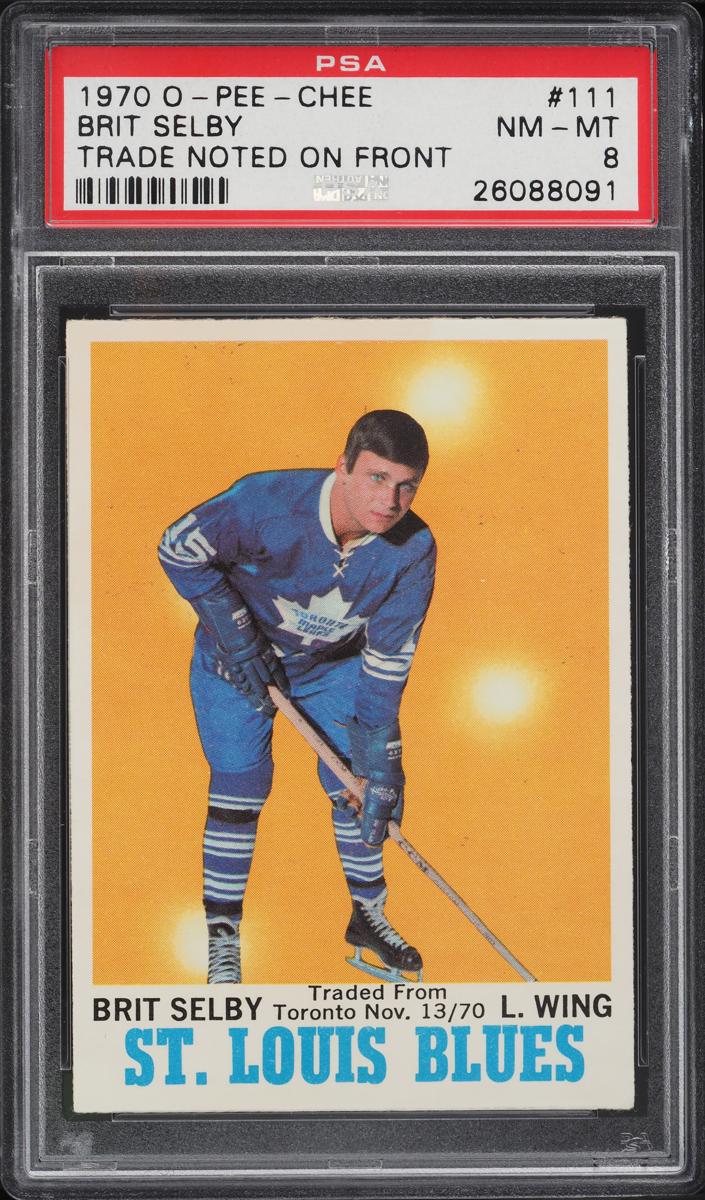
Brit Selby - 1970 O-Pee-Chee Hockey
Avg Sale
$68
Sales
0
Grade
PSA 9
View in app →
Collection
Buy it because you love it
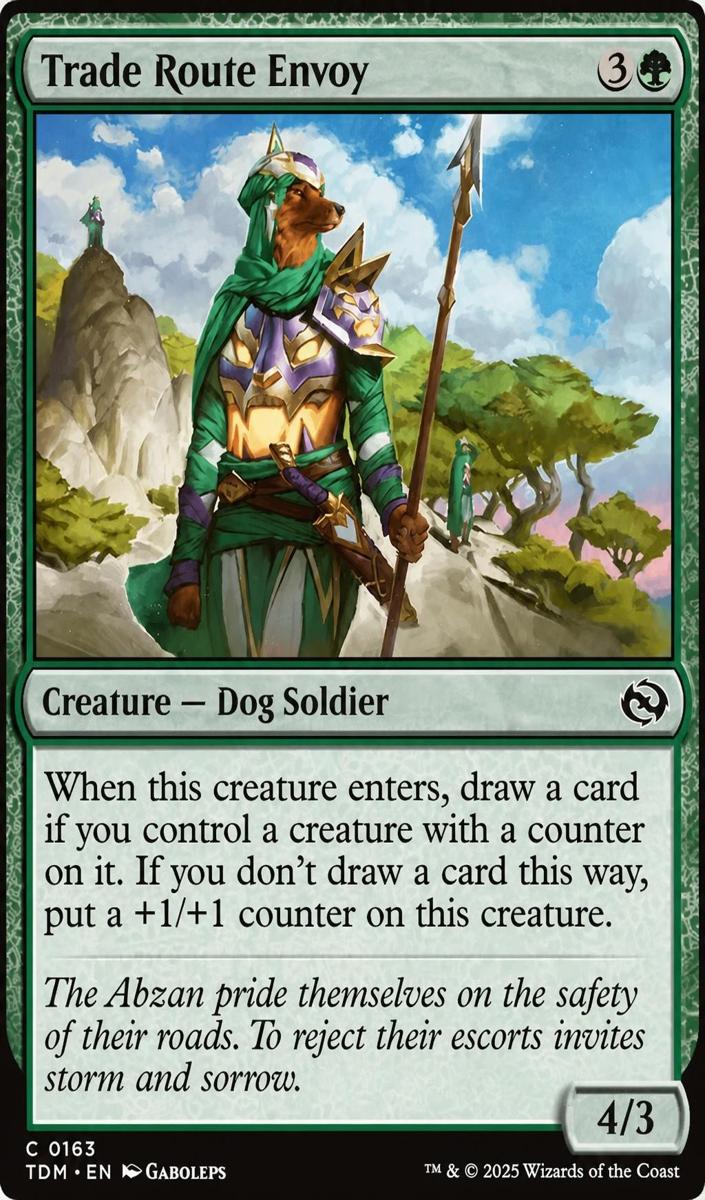
Trade Route Envoy - 2025 Magic The Gathering Tarkir: Dragonstorm
Avg Sale
$0
Sales
0
Grade
Raw
View in app →
Collection
Buy it because you love it
Trade Route Envoy - 2025 Magic The Gathering Tarkir: Dragonstorm
Avg Sale
$0
Sales
0
Grade
Raw
View in app →
Cards That Spike When Players Move
Not every trade moves the card market equally. The biggest price spikes happen when star players land with championship contenders in major markets. When Juan Soto was traded to the Yankees in December 2023, his rookie cards jumped 30-40% within hours. When Dejounte Murray went to the Hawks, the bump was more modest — destination matters as much as the player. Across MLB, NBA, and NHL deadlines, the pattern holds: rookie cards and key autos see the fastest movement, parallels and numbered cards follow, and base cards barely budge. Players joining teams with passionate collector bases (Dodgers, Celtics, Maple Leafs) see amplified demand because new fan bases start buying in immediately.
The distinction between rental acquisitions and long-term commitments matters for how long the spike lasts. A mid-season rental — a player on an expiring contract traded for a playoff push — produces a sharp spike that typically fades once the season ends. A player who signs an extension with their new contender sees a more durable price increase because the market prices in years of relevance, not just a few months.
How to Position Before the Deadline
The most profitable deadline collecting happens before the trade is announced. Follow beat reporters and insiders across sports — when a player is widely reported as available, their cards are still priced at their current-team valuation. The window between "Player X is on the block" and "Player X has been traded to the Dodgers" is where the opportunity lives. Build positions in players whose skill set makes them attractive to contenders, and focus on rookie cards and low-numbered parallels that have the thinnest supply and the most price elasticity.
On the sell side, recognize when a player on your roster is headed to a rebuilding team. A veteran traded from a contender to a non-competitive squad typically sees card values soften. Selling before or immediately after that announcement locks in value. If you believe in the player long-term, you can also buy the dip once the initial sell-off stabilizes — rebuild destinations create temporary discounts on cards with strong long-term profiles.
Reading the Market in Real Time
When a trade breaks, listed prices change instantly but actual sales take time to follow. Sellers relist at higher ask prices within minutes, but that does not mean buyers are paying those numbers. The only way to know whether a trade-driven spike is real is to watch completed sales. Look at pre-trade comps versus post-trade comps to measure the actual dollar impact. Volume matters too — a card that jumps 25% on two sales is noise, while the same jump on twenty sales signals genuine demand. SLAM scores are particularly useful during deadline chaos because they synthesize sales velocity and price direction into a single number, cutting through the relisting noise to show which traded players are generating real buying activity.
Track Every Move on Mantel
Mantel is built for moments like trade deadline season when speed and information decide who gets the deals. Real-time listings from eBay flow into one searchable feed, so you can find a newly traded player's cards across every product and sport without jumping between platforms. SLAM scores measure actual sales velocity, price trends, and liquidity — giving you a single number that separates real demand from inflated ask prices. Comps show what cards are actually selling for, not just what sellers are hoping to get, so you can see the true price impact of a deal within hours. Add trade-block candidates to your Wish List and get alerts when a specific card appears at a target price, so you are positioned before deals even break. And the Mantel community is where collectors connect, share pickups, and discuss market shifts as trades happen — the kind of real-time context that turns breaking news into informed collecting decisions.
Be ready when the next trade breaks. Mantel puts live listings, real comps, and an active collector community in one place so you can move with confidence during the fastest-moving windows in the hobby.
Join the Trade Deadline Community
Share your collection, compare comps, browse live marketplace listings, track trends, and connect with collectors who care about the hobby and the market behind every card.
Guides & Resources
What Is a SLAM Score? →
Learn how SLAM scores rate card market activity from 0-100 and what the four score tiers mean.
How to Start Collecting Sports Cards →
A complete guide to card types, grading, buying, selling, and building your collection.
What Do Card Grades Mean? →
Learn what PSA 10, BGS 9.5, and other grades actually mean for card value and condition.
What's the Difference Between PSA, Beckett, SGC, CGC? →
Compare the major grading services and understand which one is right for your cards.
How to Get a Card Graded →
Step-by-step guide to submitting your cards for professional grading.
How to Get Cards Graded at the Show →
Tips for on-site grading submissions at card shows and conventions.
How to Protect Your Cards →
Best practices for sleeves, toploaders, and long-term card storage.
10 Tips for Navigating a Card Show →
Make the most of your next card show with these practical tips.
Sports Card Collectors Glossary of Terms →
From "hit" to "RPA" — a complete glossary of the hobby's most common terms.